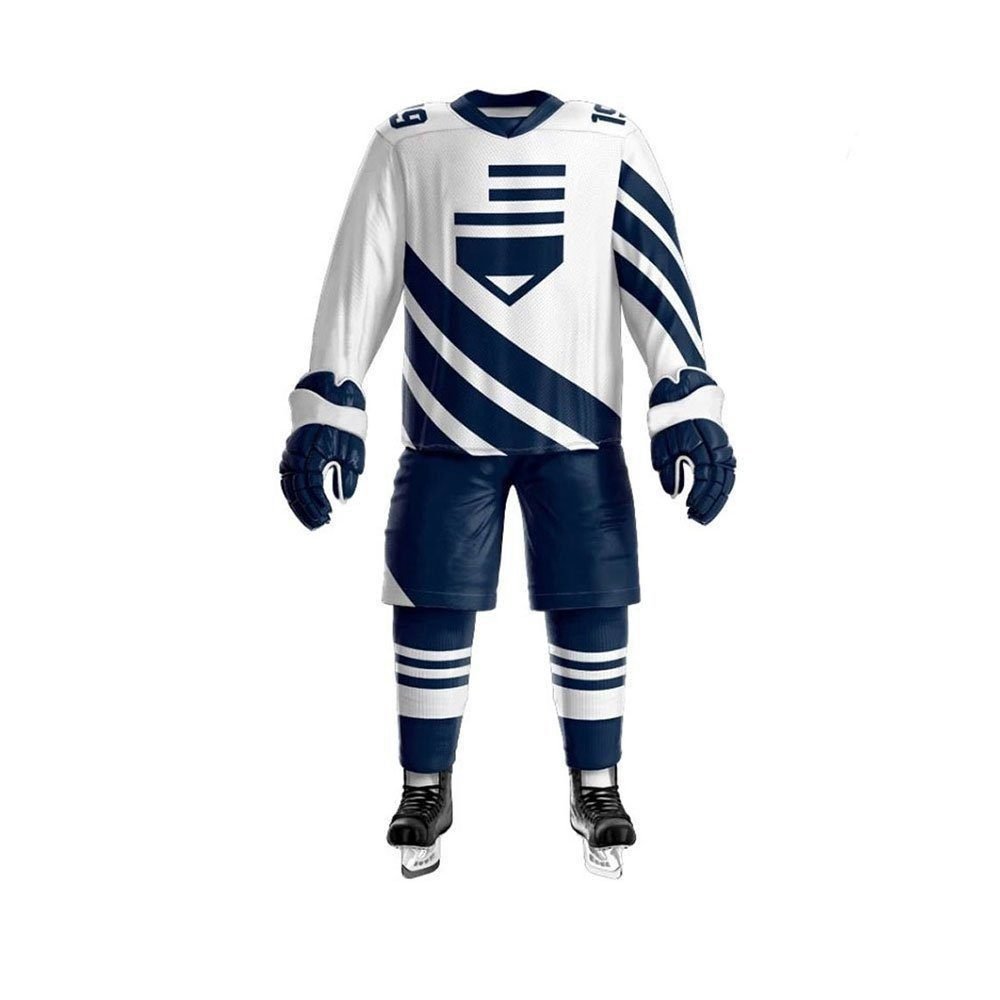
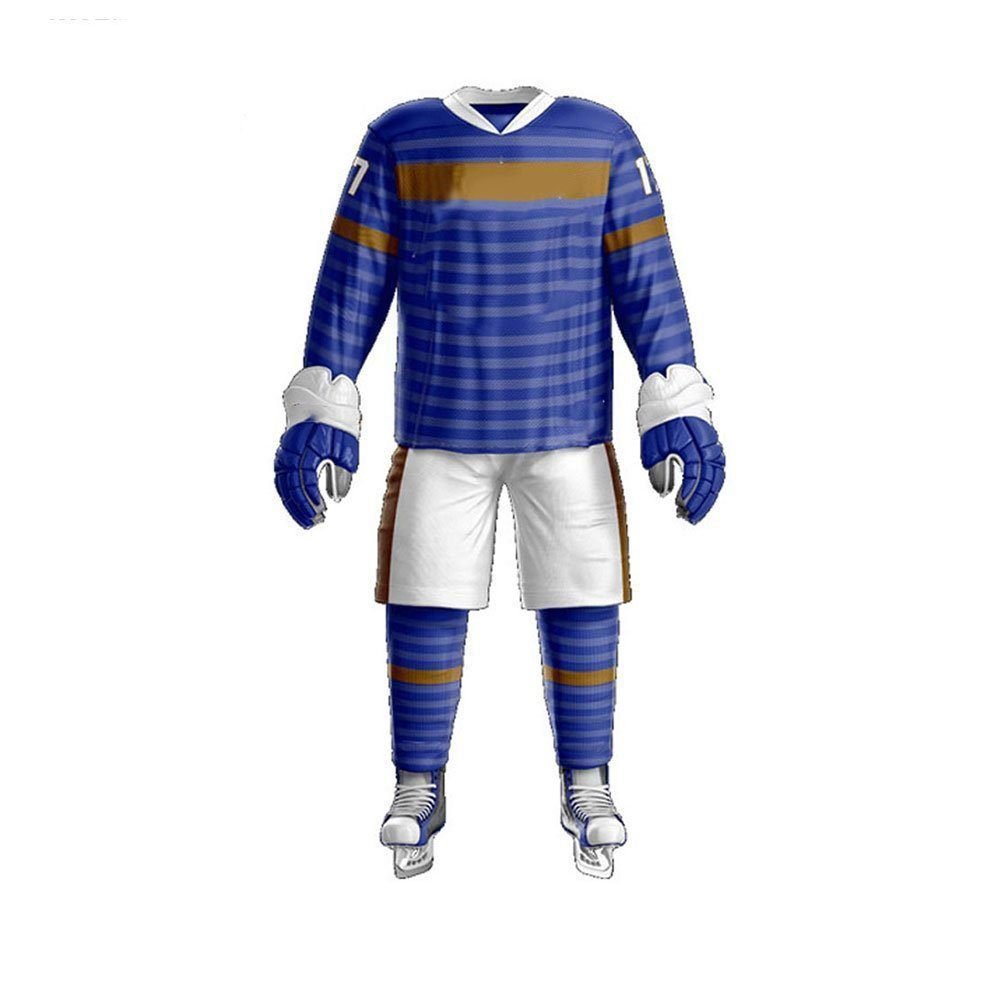
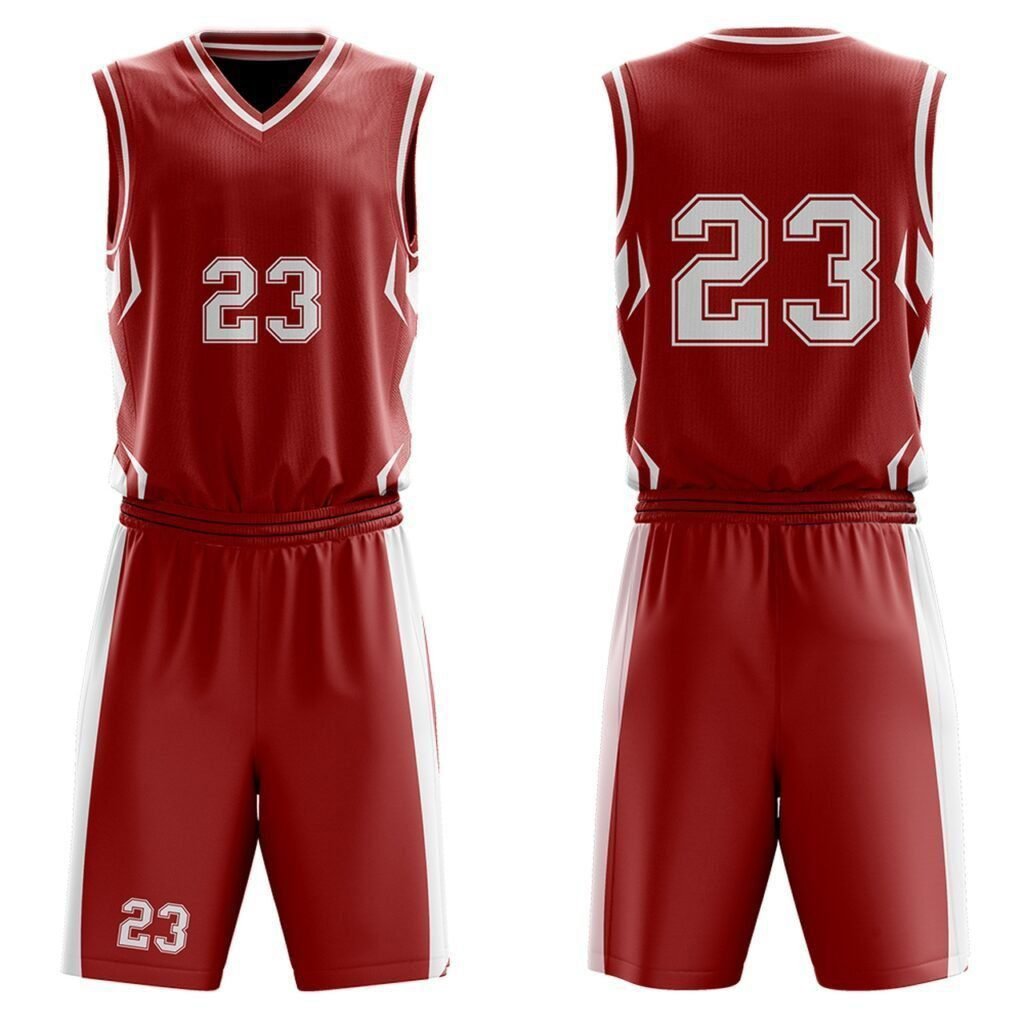
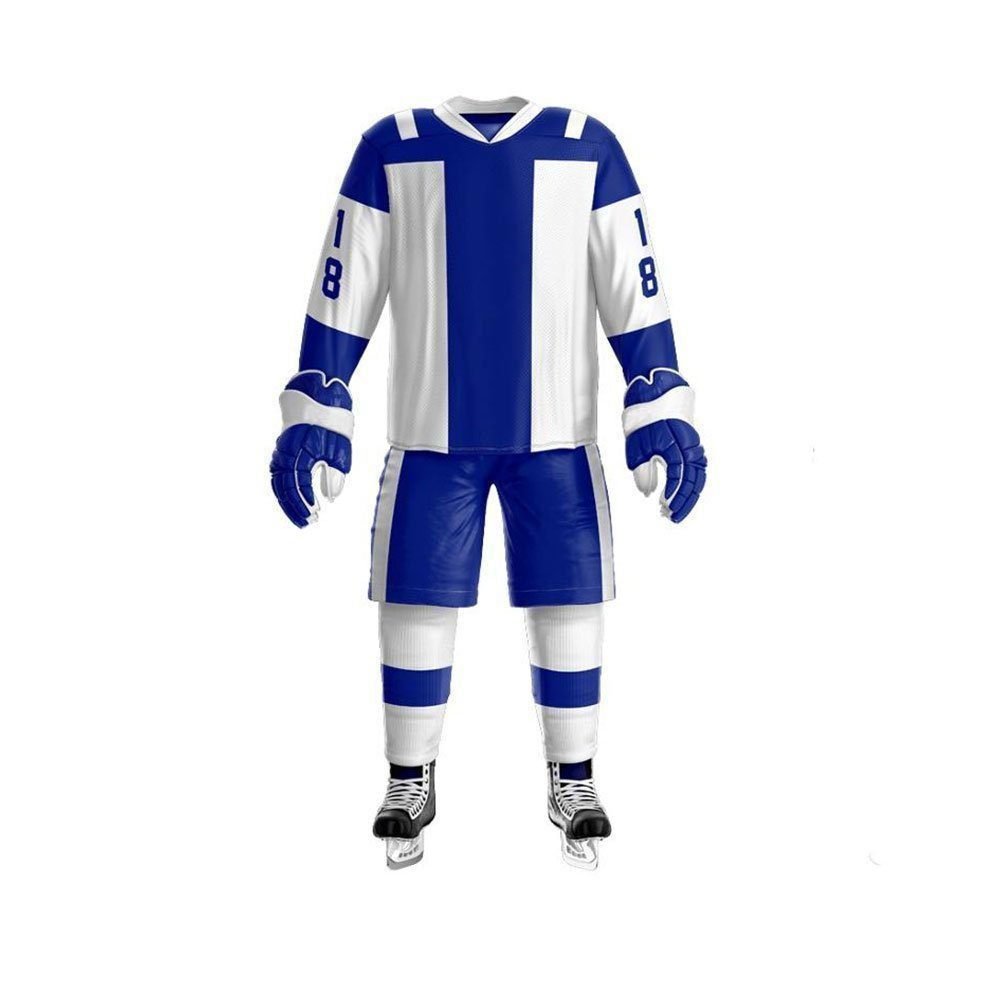
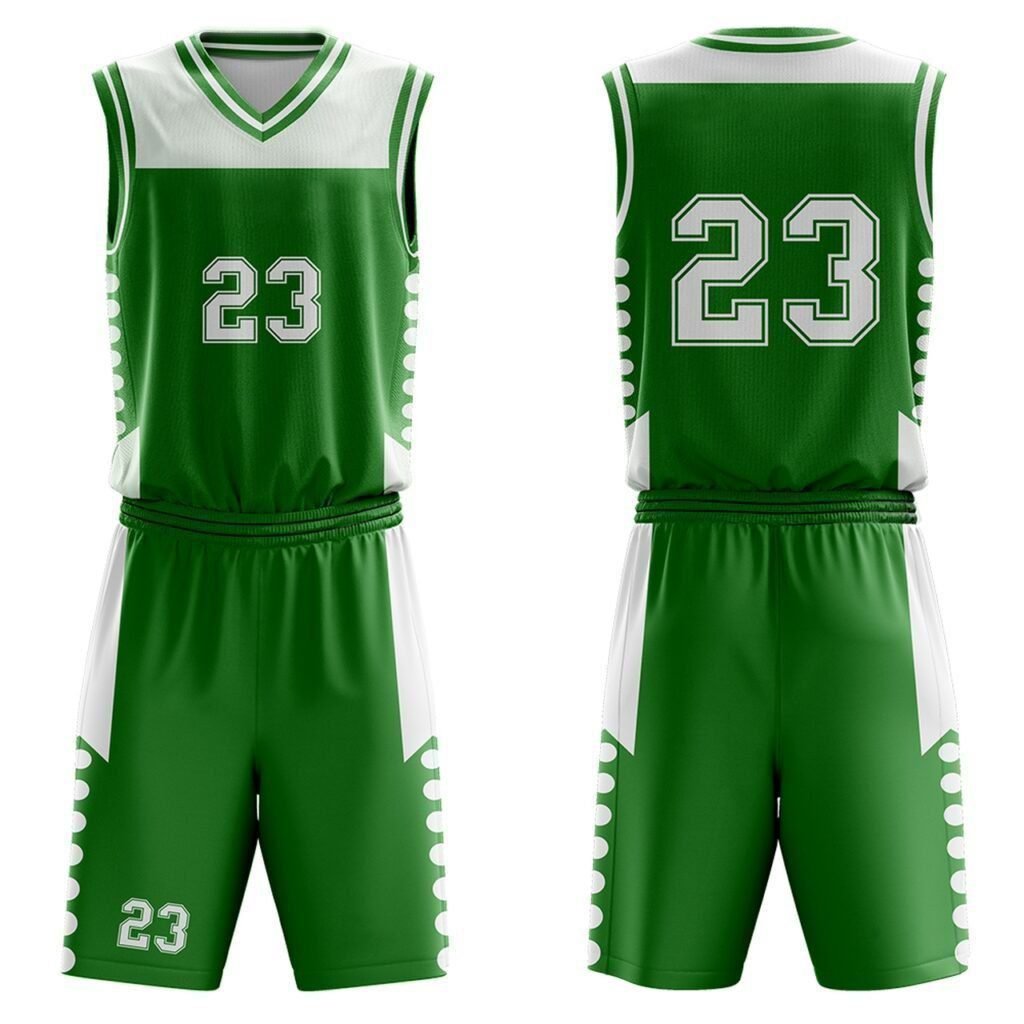
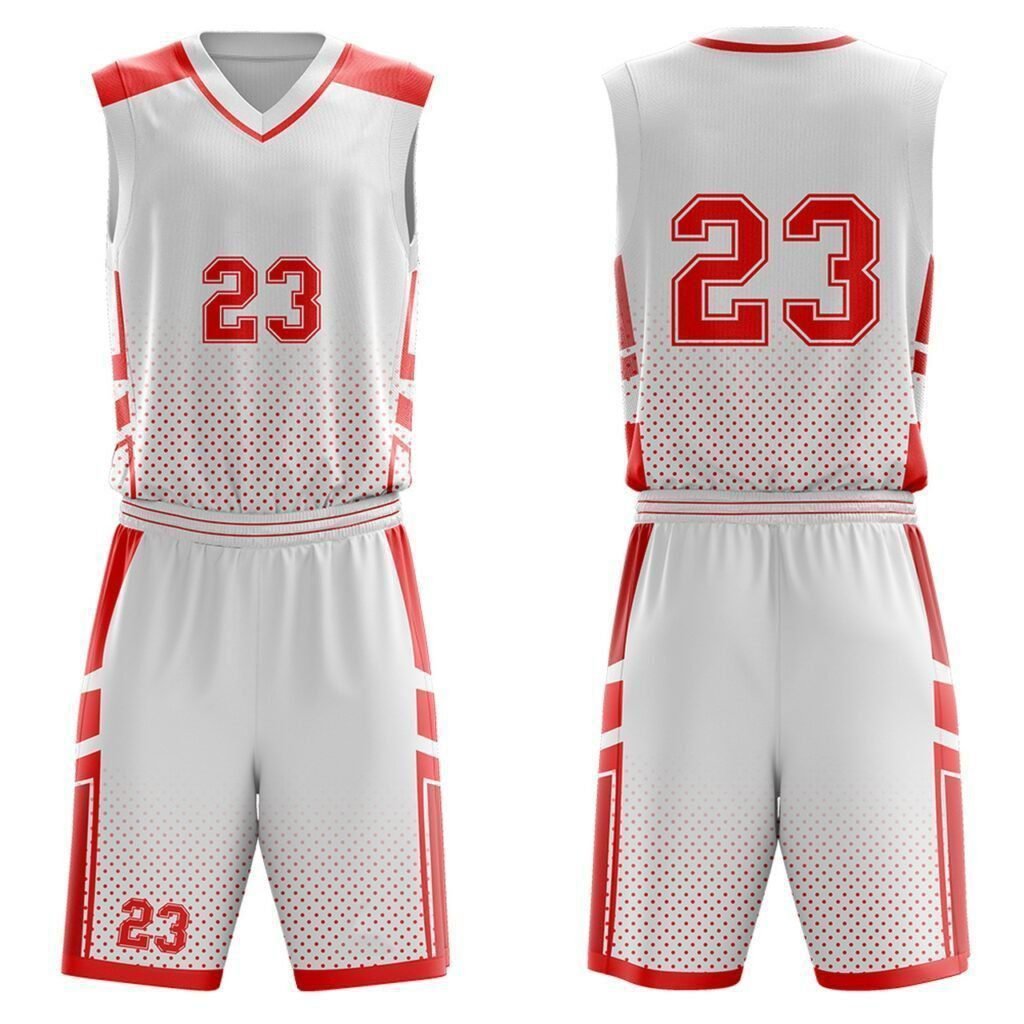
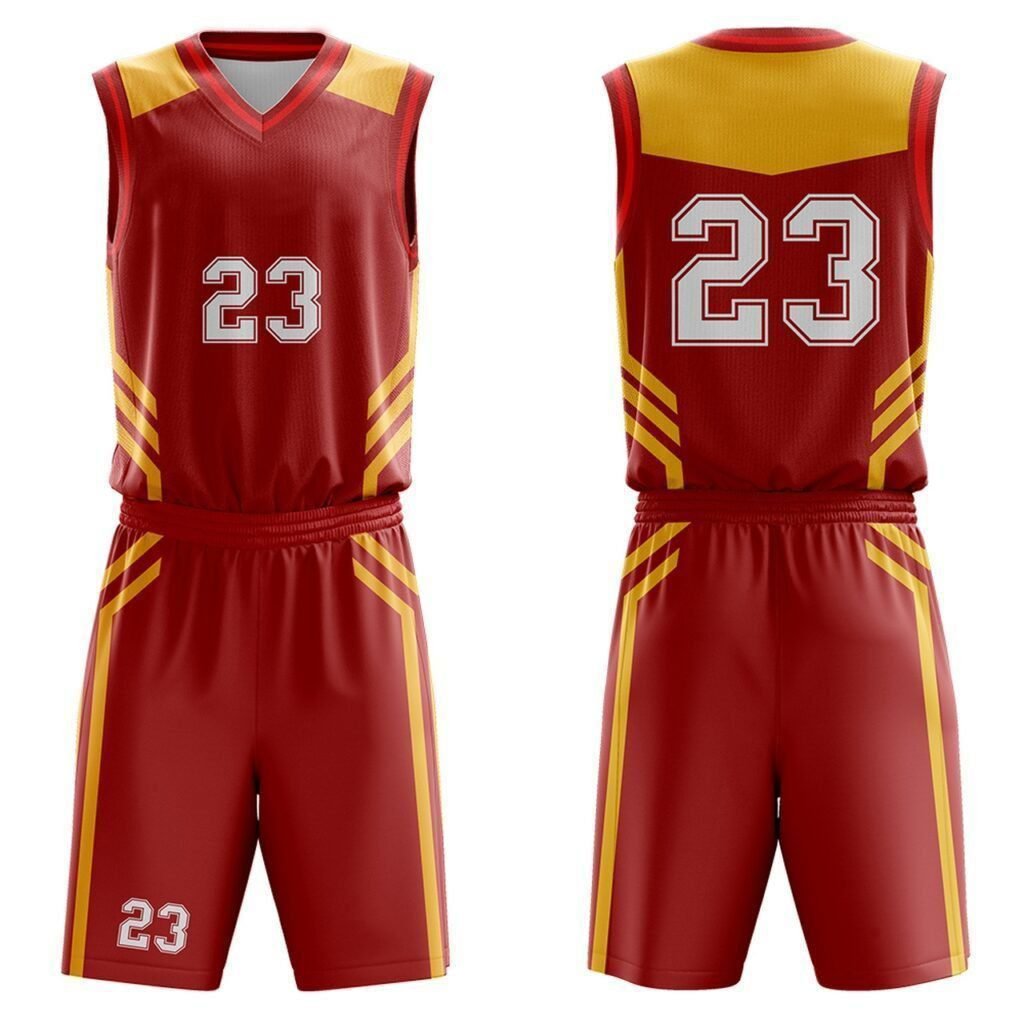
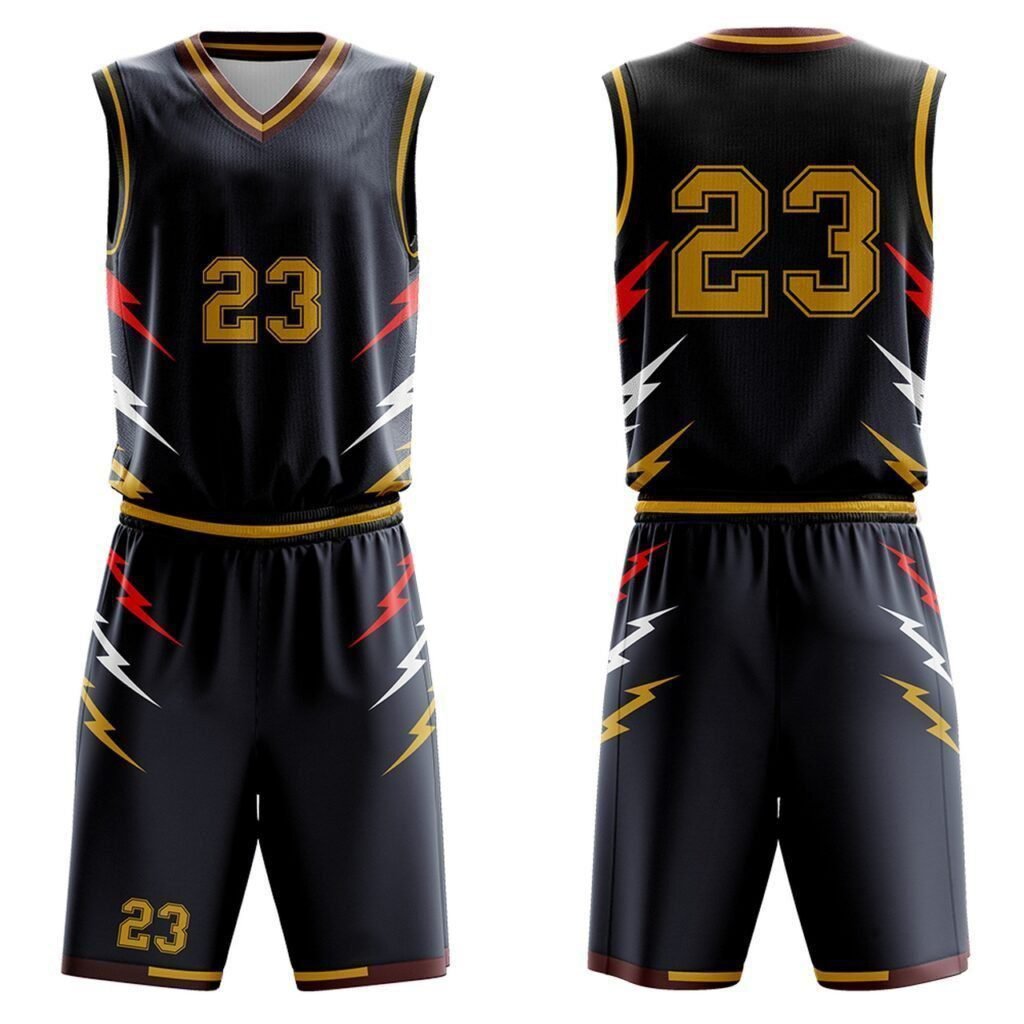
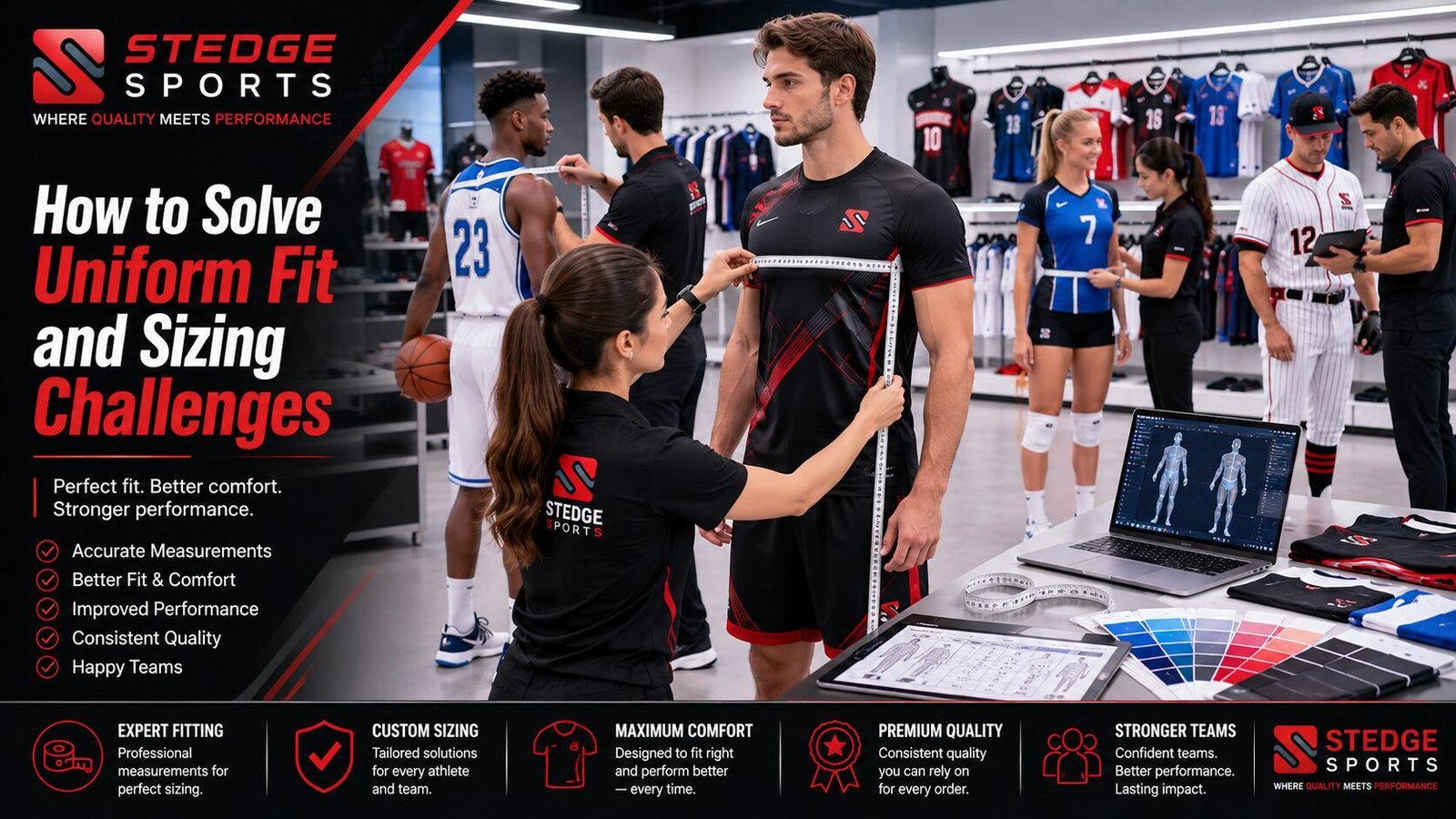
Custom Uniform Fit Issues can quietly undermine performance, morale, and brand identity across sports teams and professional workplaces in the United States. When uniforms do not align with real body shapes or equipment demands, problems surface quickly. Athletes struggle with athletic mobility and limited range of motion, while staff face daily discomfort that affects productivity.
In many cases, poor protective gear compatibility creates distractions that could have been avoided with better planning. Smart organizations now invest in custom sizing kits and advanced moisture-wicking fabric to eliminate guesswork. When uniforms truly fit, confidence rises, performance improves, and teams present a polished, unified image.
Why Uniform Fit Matters for Performance, Comfort, and Brand Image
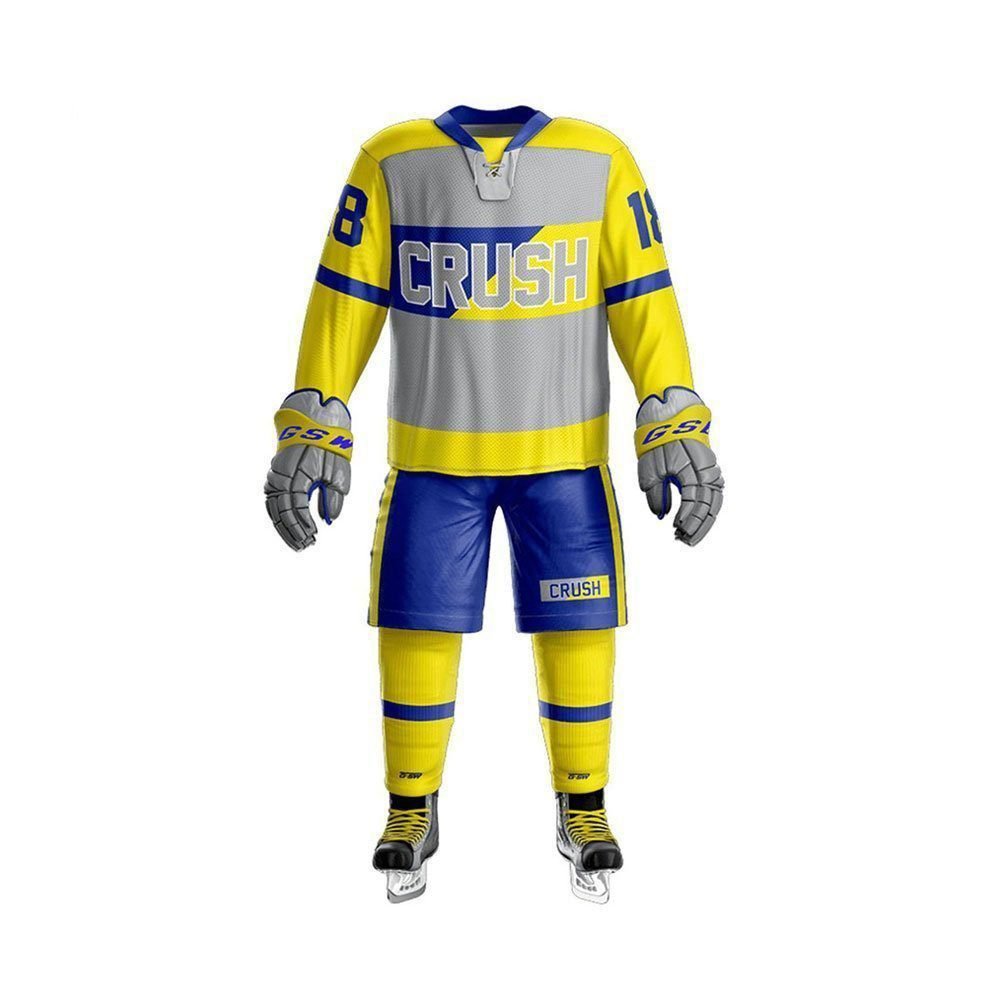
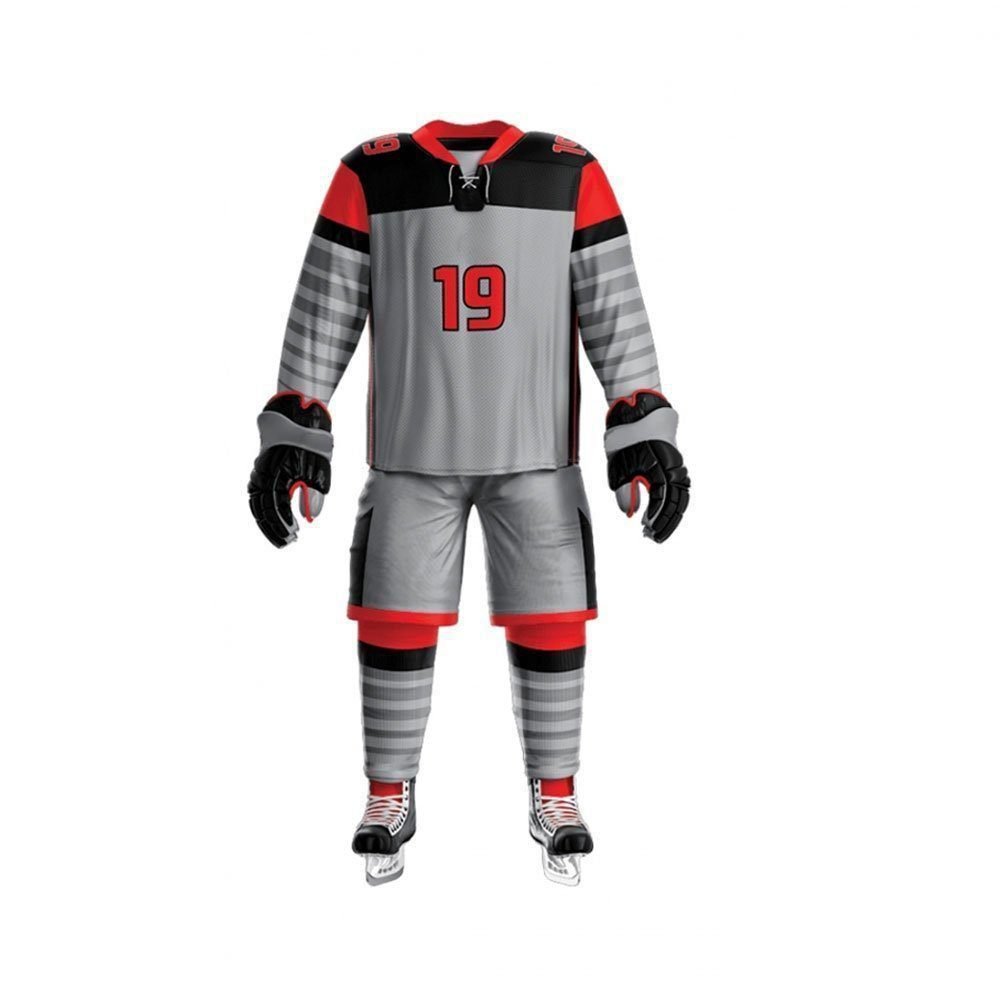
Uniform fit directly affects athletic mobility and range of motion. When fabric pulls against pads, athletes feel restricted arm movement and lose focus. Modern performance sports apparel must support unrestricted movement while maintaining protective gear compatibility. This is not luxury. It is performance science.
For staff, fit shapes confidence. Poor sizing creates safety and comfort concerns in warehouses and hospitals. Clean, tailored uniforms project trust. In competitive U.S. markets, appearance influences customer perception. Good fit improves posture, morale, and productivity in ways leaders often underestimate.
Common Uniform Fit Problems in Sports Teams
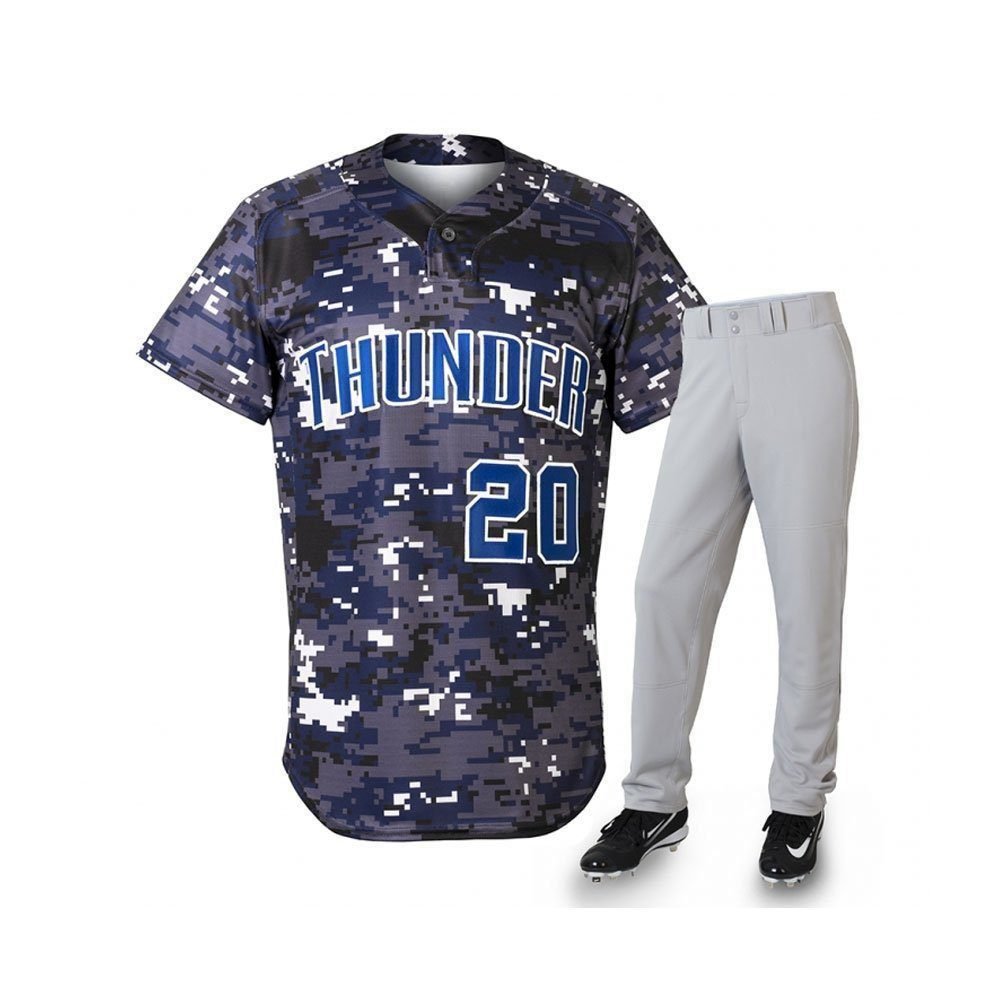
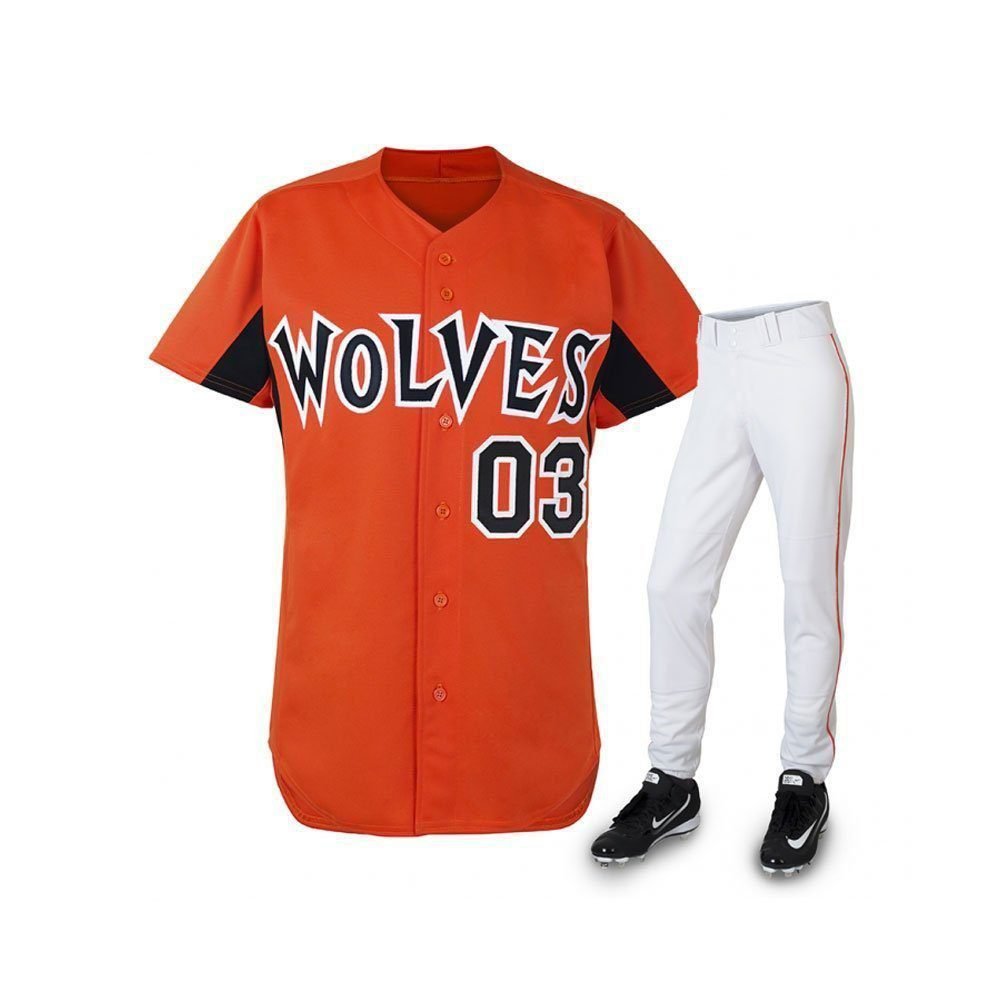
Sports programs often struggle with layering issues with equipment and fabric bulk under pads. Coaches report mid-game adjustments because uniforms shift under stress. Problems appear most often in basketball uniforms with pads, football warmup jackets, and baseball reversible jerseys where fabric interacts with gear.
Youth leagues face additional challenges. Growth spurts cause oversized uniforms or tight compression fits. Poor warmup gear fit disrupts pregame routines. Without proper sport-specific uniform design, even premium uniforms fail to perform under real pressure.
Common Uniform Sizing Challenges in Staff Rollouts
Corporate rollouts face measurement errors and remote ordering confusion. Inconsistent data leads to wrong sizes during bulk uniform ordering. Without sizing accuracy before bulk orders, organizations waste budget and time. Companies underestimate the need for a full sizing range from youth to adult. Mistakes increase return costs and delays.
Large U.S. businesses must consider climate and job type. Kitchen staff need heat-resistant fabrics. Delivery drivers require flexibility. Without sizing accuracy before bulk orders, organizations waste budget and time. A structured sizing process prevents chaos before distribution begins.
The Hidden Cost of Getting Uniform Sizing Wrong
Wrong sizing drains budgets silently. Returns, replacements, and production delays reduce profit margins. Below is a simplified cost comparison.
Understanding the complete custom sports uniform production timeline can help organizations plan orders more efficiently, avoid unexpected delays, and coordinate uniform deliveries with their schedules.
Issue | Financial Impact | Operational Impact |
Wrong sizes | Return shipping fees | Staff dissatisfaction |
Poor fabric | Frequent replacements | Brand inconsistency |
Delayed orders | Missed launch dates | Reduced morale |
These costs extend beyond money. Poor fit lowers trust. It weakens brand presence. Over time, sizing errors erode internal culture and public perception.
Custom Uniform Solutions for Better Fit and Compatibility
Smart teams invest in custom uniform solutions that use tailored athletic cuts and modular uniform design. This ensures uniforms move with the body. Features such as elastic waistbands and stretch panels reduce tension points. Many programs use custom sizing kits and a uniform sizing kit to test before final orders.
For a detailed guide to measuring athletes accurately before placing an order, read our custom sports uniform sizing guide.
Advanced materials also matter. Moisture-wicking fabric, breathable polyester, and stretch performance fabric allow airflow and flexibility. Durable construction with reinforced stitching creates durable team uniforms that survive long seasons. Modern sublimation printing produces dye-sublimated uniforms that stretch without cracking.
Choosing the right performance materials is just as important as sizing, and our guide to the best fabrics for sportswear explains the key options in detail.
Case Studies: Real-World Solutions That Improved Fit and Performance
A Midwest high school shared a case study in sports apparel after upgrading to gear integrated uniforms. Their new integrated football pants eliminated fabric bulk under pads. Players reported better comfort. Coaches noticed stronger practice intensity.
Another program tested tapered baseball pants and a reversible uniform package. Through tested prototypes and athlete feedback, they refined sizing before full production. One team representative testimonial stated, “The fit changed everything.” These real team uniform solutions show measurable improvement.
Strategies to Reduce Uniform Returns and Sizing Errors
Start with measurement education. Provide clear guides. Encourage try on events. Use digital forms for consistent data. Many organizations rely on a trusted team uniform supplier offering a free custom mockup and sample kits before mass production.
The following table outlines a prevention strategy.
Step | Action | Outcome |
Measure | Use accurate body charts | Reduced size errors |
Test | Trial uniforms with gear | Improved compatibility |
Review | Collect staff feedback | Higher satisfaction |
A structured plan lowers return rates significantly.
Technology That Improves Uniform Sizing Accuracy
Technology now supports better sizing precision. AI powered recommendation systems analyze body data. 3D body scans improve pattern creation. Smart fabric engineering enhances flexibility. These tools support performance enhancing apparel development.
Modern vendors offer virtual design platforms where teams can design your own sports uniforms and preview colors through a custom mockup service. Faster production turnaround time ensures timely delivery even during peak seasons in the United States.
Step by Step Uniform Rollout Plan for Teams and Businesses
A successful rollout begins with needs analysis. Identify sport demands or job roles. Next, collect measurements carefully. Use player specific fit methods when needed. Confirm fabric type. Choose between layered sportswear or lighter options.
After sampling, finalize order quantities. Monitor delivery schedules. Gather feedback post distribution. This systematic approach prevents shorts riding up, jersey tailoring issues, and overall fit complaints.
FAQs
Why do uniforms help work teams remain cohesive?
Uniforms create a shared identity and reduce visible differences. This builds unity, trust, and a stronger team mindset.
How does uniform fitting work?
Uniform fitting uses body measurements, size charts, and sample trials to ensure comfort and proper movement before bulk production.
What makes uniforms uncomfortable?
Poor sizing, low quality fabric, and lack of stretch often cause tightness, overheating, and restricted movement.
Why are team uniforms important?
Team uniforms promote professionalism, improve confidence, and create a clear visual identity during games or events.
Why are uniforms important in the workplace?
Workplace uniforms enhance brand image, improve safety compliance, and help employees feel part of a unified organization.
Final Thoughts on Solving Uniform Fit and Sizing Challenges
Whether you’re outfitting a competitive sports team or coordinating uniforms for employees, the right fit has a direct impact on comfort, performance, confidence, and long-term value. Taking the time to plan measurements, select appropriate fabrics, and organize orders properly helps reduce costly sizing errors while creating a more professional and consistent appearance across your organization.
At Stedge Sports, we help schools, sports clubs, businesses, and private-label brands develop custom uniforms designed for real world performance and lasting comfort. Visit our homepage to explore our complete sportswear manufacturing solutions and discover how we can support your next custom uniform project.

 Stedge Sports is a manufacturer of custom sportswear and apparel.