 Stedge Sports is a manufacturer of custom sportswear and apparel.

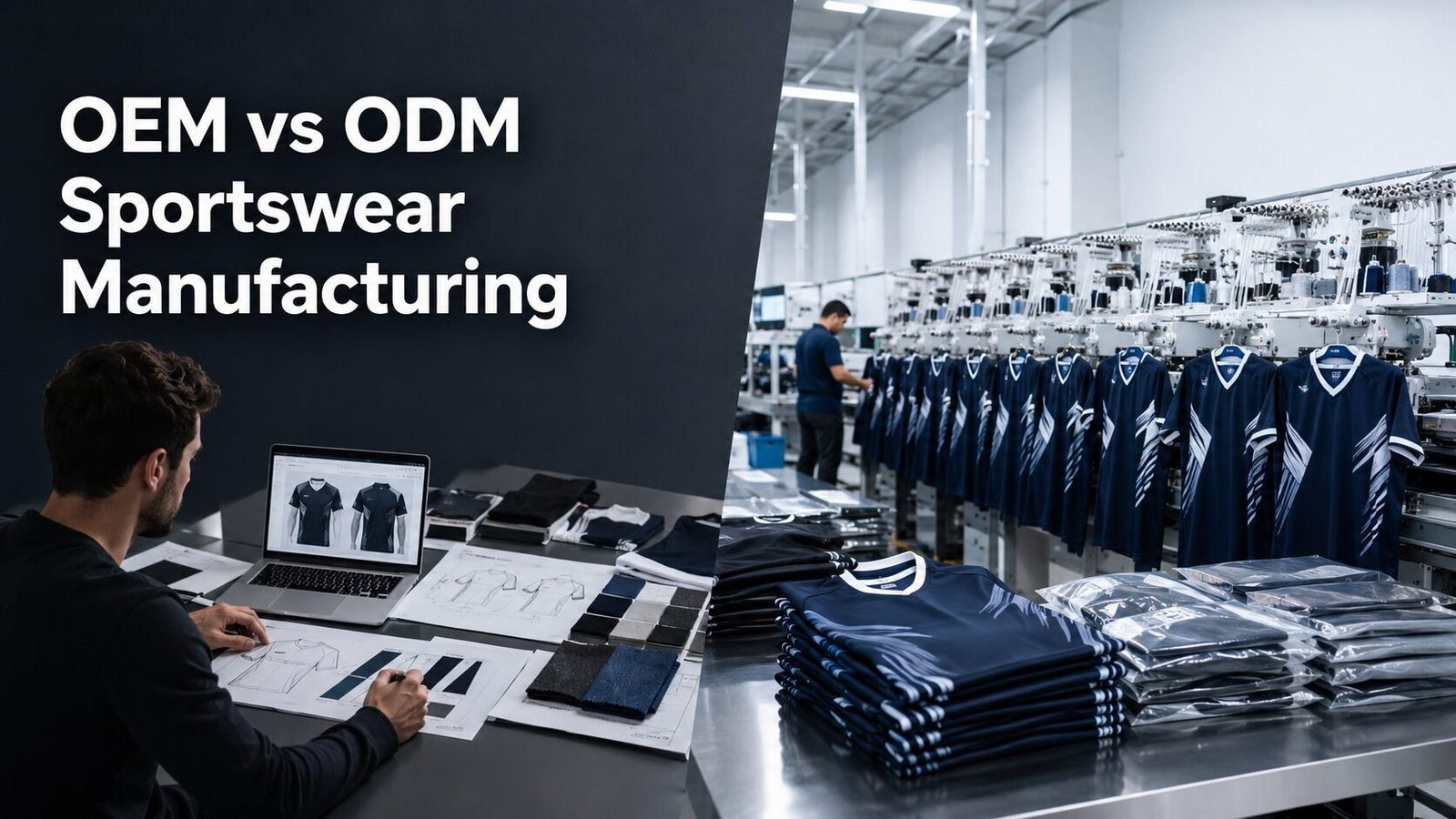
OEM vs ODM Sportswear Manufacturing: Which Is Best for Your Brand?

Is OEM more expensive than ODM?
In many cases, yes. OEM manufacturing typically involves higher development costs due to custom designs, sample production, and specialized manufacturing processes.
Choosing the right manufacturing model is one of the most important decisions when launching or expanding a sportswear brand. Whether you’re creating custom team uniforms, fitness apparel, or private-label sportswear, understanding the differences between OEM (Original Equipment Manufacturer) and ODM (Original Design Manufacturer) can help you make informed decisions that align with your budget, branding goals, and long-term business strategy.
While both manufacturing models produce high-quality sportswear, they differ significantly in terms of product development, customization, production timelines, intellectual property, and overall flexibility.
Some businesses require complete control over product design and branding, while others prefer a faster and more cost-effective solution by selecting existing product designs. Choosing the right model depends on your business objectives, available resources, and desired level of customization.
In this guide, you’ll learn how OEM and ODM sportswear manufacturing work, explore their advantages and limitations, compare the two models, and discover which option is best suited to your business.
What Is OEM Sportswear Manufacturing?
OEM (Original Equipment Manufacturer) sportswear manufacturing allows businesses to develop fully customized apparel based on their own ideas, specifications, and branding requirements.
With the OEM model, you provide the concept, design, materials, colors, branding elements, and product specifications, while the manufacturer handles production according to your requirements. This approach gives you complete ownership of your products and helps create a unique identity in a competitive market.
OEM manufacturing is commonly chosen by:
- Sportswear brands
- Professional sports clubs
- Educational institutions
- Corporate apparel brands
- Retail chains
- Startups building their own product line
If your goal is to create exclusive sportswear that reflects your brand identity, OEM manufacturing offers the flexibility needed to bring your vision to life.
OEM Manufacturing Process
The OEM production process typically follows these steps:
- Initial consultation to discuss project requirements.
- Product design and technical specification review.
- Fabric and material selection.
- Quotation and production planning.
- Sample development.
- Sample review and approval.
- Bulk production.
- Quality inspection.
- Packaging.
- Shipping and delivery.
Following a structured process helps minimize production errors and ensures the final products meet your expectations.
Benefits of OEM Manufacturing
OEM manufacturing offers several advantages for businesses looking to build a distinctive sportswear brand.
Complete Product Customization
Every aspect of the garment can be tailored to your requirements, including:
- Fabric selection
- Colors
- Sizing
- Stitching
- Printing methods
- Logos
- Labels
- Packaging
Strong Brand Identity
OEM products are designed specifically for your business, helping you differentiate your brand from competitors with unique apparel and consistent branding.
Greater Product Control
You maintain control over product specifications, materials, and quality standards throughout the development process.
Long-Term Business Growth
Because your products are unique, OEM manufacturing supports stronger brand recognition and creates opportunities for long-term customer loyalty.
Potential Challenges of OEM Manufacturing
Although OEM offers maximum flexibility, businesses should also consider a few challenges before choosing this model.
Longer Development Time
Developing custom products often requires multiple design revisions, sampling stages, and approval processes before bulk production begins.
Higher Initial Investment
OEM projects generally involve higher development costs due to custom design work, sample production, and specialized manufacturing processes.
More Detailed Planning
Successful OEM production requires clear product specifications, accurate artwork, sizing information, branding guidelines, and effective communication with the manufacturer.
Expert Insight:
OEM manufacturing is the ideal choice for businesses that want complete creative control and are focused on building a unique, recognizable sportswear brand. While it requires more planning and investment, it offers greater flexibility and long-term value.
What Is ODM Sportswear Manufacturing?
ODM (Original Design Manufacturer) sportswear manufacturing allows businesses to choose from existing product designs that have already been developed by the manufacturer.
Instead of creating apparel from scratch, you select ready-made designs and customize elements such as colors, logos, labels, and packaging to match your brand.
This approach significantly reduces product development time and is often a practical option for businesses looking to enter the market quickly without investing heavily in product design.
ODM manufacturing is well suited for:
- Startups
- Small businesses
- Sports clubs
- Retailers
- Promotional apparel companies
- Businesses launching a new sportswear collection quickly
By using proven product designs, companies can focus on branding, marketing, and sales while relying on the manufacturer’s established production processes.
How ODM Manufacturing Works
A typical ODM manufacturing process includes:
- Selecting an existing product design.
- Choosing preferred colors and fabric options.
- Adding logos and branding elements.
- Reviewing customization details.
- Approving samples (if required).
- Bulk production.
- Quality inspection.
- Packaging and shipping.
Because the core product has already been developed, ODM projects usually move from concept to production much faster than OEM projects.
Benefits of ODM Manufacturing
Faster Time to Market
Since the product design already exists, businesses can begin production much sooner and launch products more quickly.
Lower Development Costs
ODM eliminates many of the expenses associated with product research, design, and prototype development, making it a cost-effective option.
Proven Product Designs
Manufacturers often offer designs that have already been tested for functionality, comfort, and production efficiency, reducing development risks.
Simplified Production Process
With fewer design revisions and shorter approval cycles, businesses can streamline production and focus on growing their brand.
Challenges of ODM Manufacturing
Despite its advantages, ODM manufacturing also has some limitations.
Limited Customization
Businesses can personalize branding elements, but the overall product design usually remains unchanged.
Less Product Exclusivity
Because the manufacturer may supply similar products to multiple businesses, achieving a completely unique product line can be more challenging.
Reduced Design Flexibility
Companies seeking highly specialized apparel or innovative product features may find OEM manufacturing a better fit.
Key Takeaway:
ODM manufacturing is an excellent option for businesses that prioritize speed, affordability, and simplicity, while OEM is better suited for brands seeking complete product customization and long-term differentiation.
OEM vs ODM: Key Differences
Choosing between OEM and ODM manufacturing depends on your business goals, available budget, desired level of customization, and time-to-market requirements. While both models produce high-quality sportswear, they differ significantly in how products are developed and branded.
| Feature | OEM Manufacturing | ODM Manufacturing |
| Product Design | Fully customized | Pre-designed products |
| Branding | Complete customization | Limited customization |
| Development Time | Longer | Faster |
| Initial Investment | Higher | Lower |
| Product Exclusivity | High | Moderate |
| Flexibility | Maximum | Limited |
| Time to Market | Longer | Shorter |
| Best For | Established brands and startups building unique products | Businesses seeking a fast and cost-effective launch |
Expert Insight:
OEM manufacturing is ideal for businesses focused on long-term brand differentiation, while ODM manufacturing is better suited for companies looking to launch products quickly using proven designs.
Cost Comparison: OEM vs ODM
Budget plays an important role when selecting a manufacturing model.
OEM projects generally require a higher upfront investment because they involve product development, technical specifications, custom sampling, and multiple approval stages.
ODM projects typically have lower development costs because the product design has already been completed by the manufacturer.
However, lower initial costs should not be the only deciding factor. Consider the long-term value each model offers based on your business objectives.
OEM Manufacturing Costs
- Product design and development
- Sample creation
- Technical specifications
- Custom fabrics and trims
- Specialized production setup
- Branding and packaging
ODM Manufacturing Costs
- Existing product selection
- Logo application
- Label customization
- Packaging customization
- Bulk production
Key Takeaway:
If your priority is creating a distinctive sportswear brand with complete design control, OEM offers greater long-term value. If speed and budget are your primary concerns, ODM provides a practical and efficient solution.
Production Timeline Comparison
Understanding production timelines helps you plan inventory, product launches, and customer deliveries more effectively.
Typical OEM Timeline
- Project consultation
- Product design
- Material selection
- Sample development
- Sample approval
- Bulk production
- Quality inspection
- Packaging
- Shipping
Because each product is developed from the ground up, OEM projects generally require additional time for design, revisions, and approvals.
Typical ODM Timeline
- Product selection
- Branding customization
- Sample confirmation (if required)
- Bulk production
- Quality inspection
- Packaging
- Shipping
Since the design already exists, ODM projects typically move through production more quickly.
Intellectual Property and Brand Ownership
One of the biggest differences between OEM and ODM manufacturing is ownership of the product design.
With OEM manufacturing, your business develops the product concept, giving you greater control over the design and brand identity.
With ODM manufacturing, the core product design belongs to the manufacturer, while your business customizes branding elements such as logos, labels, colors, and packaging.
If protecting unique product designs is an important part of your growth strategy, OEM manufacturing is generally the preferred choice.
Which Manufacturing Model Is Right for Your Business?
There is no one-size-fits-all solution. The right manufacturing model depends on your business goals, target market, and available resources.
Choose OEM Manufacturing if you want to:
- Build a unique sportswear brand.
- Create exclusive product designs.
- Customize every aspect of your apparel.
- Establish long-term brand recognition.
- Differentiate yourself from competitors.
Choose ODM Manufacturing if you want to:
- Launch products quickly.
- Reduce development costs.
- Test new product categories.
- Start with lower risk.
- Focus on branding and marketing rather than product development.
Decision Tip:
If you’re unsure which option is best, prepare a clear project brief outlining your product requirements, branding goals, expected order quantities, and budget. Sharing this information with your manufacturing partner will help them recommend the most suitable production model.
Common Mistakes Businesses Should Avoid
Many businesses make avoidable mistakes when selecting a manufacturing partner. Taking time to evaluate your options can prevent unnecessary costs and production delays.
Avoid these common mistakes:
- Choosing a manufacturer based only on price.
- Skipping the sample approval process.
- Failing to define product specifications.
- Ignoring minimum order quantity (MOQ) requirements.
- Overlooking quality control procedures.
- Assuming all manufacturers offer the same customization options.
- Not discussing production timelines before placing an order.
- Neglecting communication during production.
Expert Tip:
Treat your manufacturer as a long-term business partner rather than simply a supplier. Strong communication and clear expectations often lead to better product quality and smoother production.
Manufacturer Selection Checklist
Before making your final decision, ensure your chosen manufacturer can confidently meet the following requirements:
- ✅ Specializes in sportswear manufacturing.
- ✅ Offers OEM and/or ODM solutions that match your business needs.
- ✅ Provides high-quality performance fabrics.
- ✅ Supports your required customization options.
- ✅ Shares product samples before production.
- ✅ Maintains clear quality control procedures.
- ✅ Communicates professionally throughout the project.
- ✅ Can scale production as your business grows.
- ✅ Provides transparent pricing and realistic production timelines.
- ✅ Understands your branding and product requirements.
Frequently Asked Questions
What is the main difference between OEM and ODM sportswear manufacturing?
OEM manufacturing involves creating fully customized products based on your designs and specifications, while ODM manufacturing uses existing product designs that can be customized with your branding.
Which manufacturing model is better for startups?
ODM manufacturing is often a suitable option for startups because it requires less product development, reduces initial costs, and enables a faster market launch.
Can I customize products with ODM manufacturing?
Yes. While the core product design usually remains unchanged, you can often customize logos, colors, labels, packaging, and other branding elements.
Which option offers greater product exclusivity?
OEM manufacturing provides greater exclusivity because products are developed specifically for your brand and are not based on shared manufacturer designs.
Can I switch from ODM to OEM in the future?
Yes. Many businesses begin with ODM manufacturing to establish their brand and later transition to OEM as their business grows and they require more customization.
Key Takeaways
- OEM manufacturing gives you complete control over product design, branding, and customization, making it ideal for businesses focused on building a unique sportswear brand.
- ODM manufacturing allows you to launch products more quickly by using existing designs with customized branding, making it a practical option for startups and businesses with shorter timelines.
- Your decision should be based on your budget, customization requirements, time-to-market goals, and long-term business strategy.
- Choosing the right manufacturing partner is just as important as selecting the right production model. Look for proven experience, reliable communication, quality control processes, and the ability to support your business as it grows.
- Request product samples, clarify production timelines, and discuss customization options before confirming any order to minimize risks and ensure the final products meet your expectations.
Related Articles
Continue learning about sportswear manufacturing with these helpful guides:
- How to Choose the Right Sportswear Manufacturer: 15 Essential Factors Every Buyer Should Consider
- The Complete Guide to Custom Sportswear Manufacturing
- Sublimation vs Screen Printing for Sportswear: Which Method Is Best?
These resources will help you better understand manufacturing processes, customization options, and printing methods so you can make informed decisions for your business.
Conclusion
Choosing between OEM and ODM sportswear manufacturing is more than simply selecting a production method—it’s a strategic business decision that can influence your brand’s growth, product quality, and competitive advantage.
If your priority is creating a distinctive product line with complete control over design, materials, and branding, OEM manufacturing offers the flexibility needed to build a unique identity in the marketplace.
If speed, affordability, and a faster product launch are your primary objectives, ODM manufacturing provides an efficient solution by allowing you to customize proven product designs while reducing development time.
There is no universal “best” option. The right choice depends on your business goals, available resources, target audience, and long-term vision. By understanding the strengths of each model and partnering with an experienced manufacturer, you can confidently move forward with a manufacturing strategy that supports sustainable growth.
Ready to Discuss Your Project?
Whether you’re planning to develop a fully customized sportswear collection through OEM manufacturing or you’re looking for a faster market entry with ODM solutions, choosing the right manufacturing partner is the first step toward success.
At Stedge Sports, we work closely with businesses, sports clubs, retailers, and emerging brands to understand their requirements and recommend manufacturing solutions that align with their objectives.
If you’re ready to discuss your project, contact our team today to request a personalized quotation, explore customization options, and receive expert guidance tailored to your sportswear manufacturing needs.